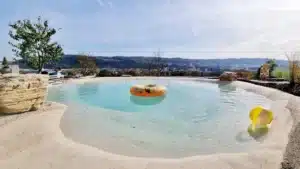
A smaller backyard creates one major design challenge: every square foot has to work harder.
That is why choosing the pool shape too early can have an outsized effect. A footprint that looks reasonable on paper may consume the best seating area, interrupt circulation or leave awkward strips of unused space around the edges.
Start with the spaces you cannot lose
Before drawing the pool, identify the parts of the backyard that need to remain functional. That might include a dining area, a shaded lounge, room for planting, access from the house or a clear path around the property.
Once those priorities are protected, the pool can be shaped around the life of the backyard rather than the other way around.
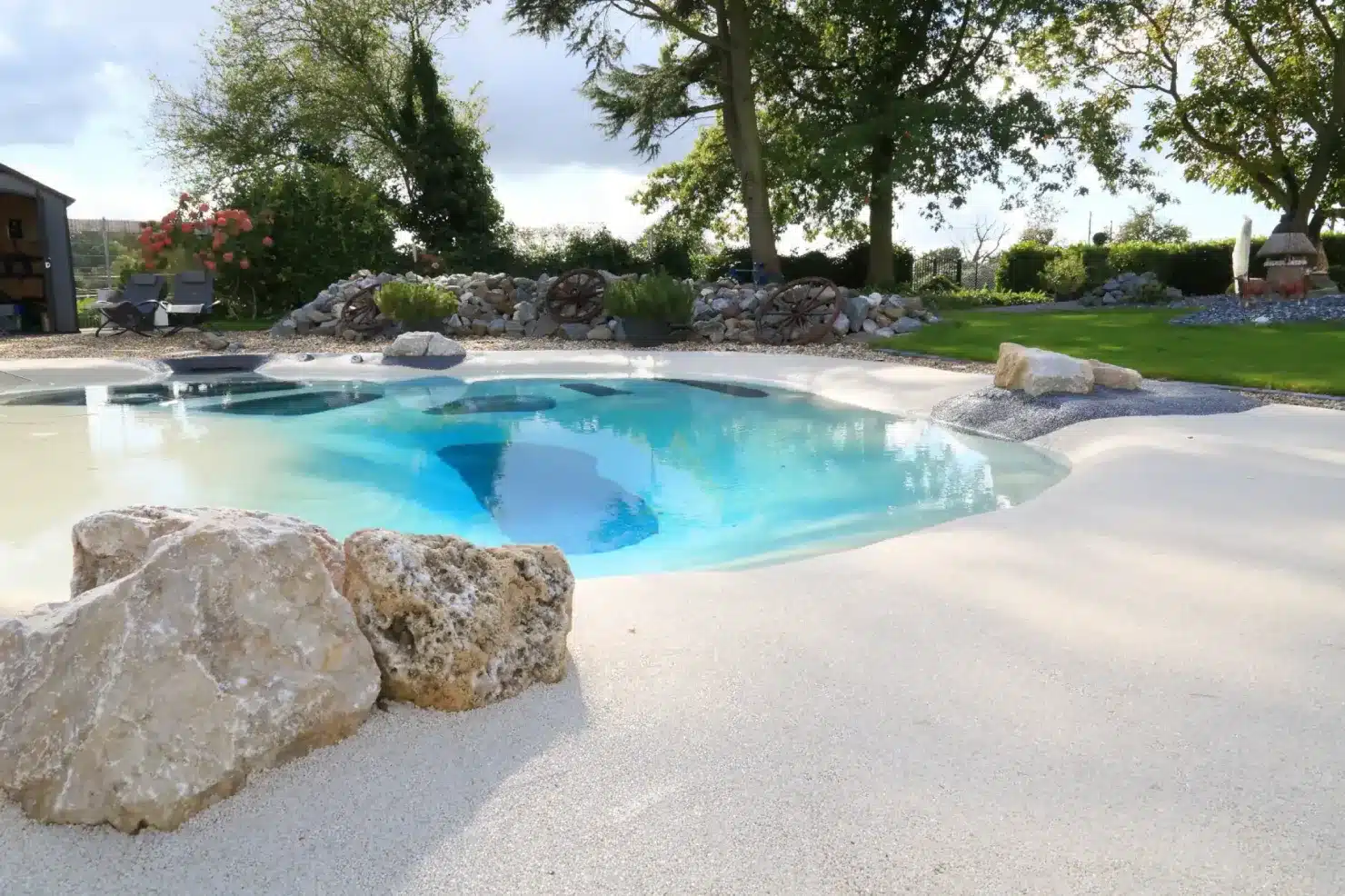
Custom does not have to mean oversized
A custom pool is valuable because it can respond to the site. Curves can preserve landscape. A narrow deeper zone can provide swimming space without dominating the yard. A shallow shoreline can become part of the lounging area instead of requiring a separate hard-edged platform.
Think vertically and visually
In a compact yard, sightlines matter. A pool that visually connects with planting and the architecture can make the space feel more expansive, while too many competing materials can make the same footprint feel crowded.
Use the whole property as the design brief
The right question is not, What is the biggest pool that fits? It is, What pool creates the best overall backyard?
If you are planning an existing property, our guide to bringing a Beach Pool to an existing home can help frame the next conversation.